Selecting an appropriate Water Storage Tank size for a low yield well is indeed among the most important choices a homeowner can make. This is because a low-yield well pumps water slowly, so having enough storage becomes a necessity to satisfy daily water requirements. This guide covers all the essential aspects of sizing a tank properly, including grasping well yield and discovering the top storage options available on the market.
Why Tank Size Matters for a Low Yield Well
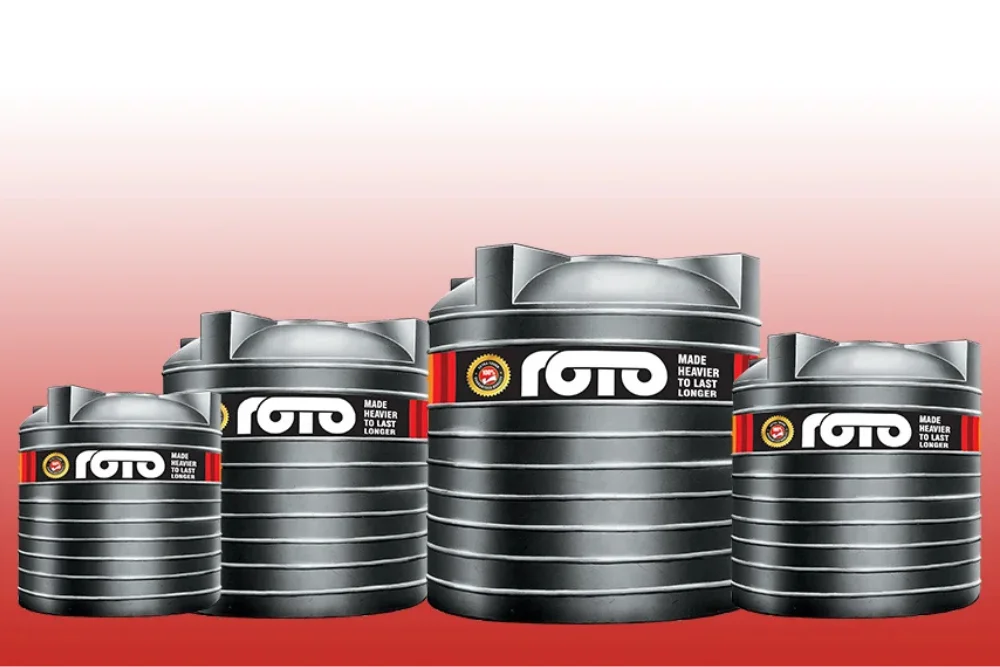
When you are faced with a low yield well, the storage tank serves as a buffer to balance the slow flow of the well with the household’s water consumption. Choosing the wrong size can cause you a lot of headaches and one of the reasons why looking at Plastic Cylindrical Water Tanks for Sale at the earliest stage of your project is a very good idea.
These tanks are available in various sizes and are built to sustain the water requirements of homes that depend on low yield-wells. If you select the wrong size, you may experience it.
How to Calculate the Right Tank Size
Step 1:
Calculate the water used per day. On average, a single person consumes 80 to 100 gallons of water per day. That means a family of four would be using roughly 320 to 400 gallons daily.
Step 2:
Understand the well’s output rate. Well output is quantified in gallons per minute (GPM). For example, if a well produces 1 GPM, it will generate 1,440 gallons per day. This amount of water is sufficient for most households, especially if the storage system is adequate. Homeowners who are planning their water supply system can benefit from checking the Underground Water Tank Price in Kenya to estimate their costs before deciding on the tank size.
Step 3:
Decide how much water to store. It is broadly accepted that one should store water to cover at least a full day’s household demand. So, depending on the size of the family and the water consumption patterns, the size of the water tank can range between 500 and 2,500 gallons. Usually, this amount of stored water is sufficient to meet the needs of a household in most situations.
Types of Water Storage Tanks to Consider
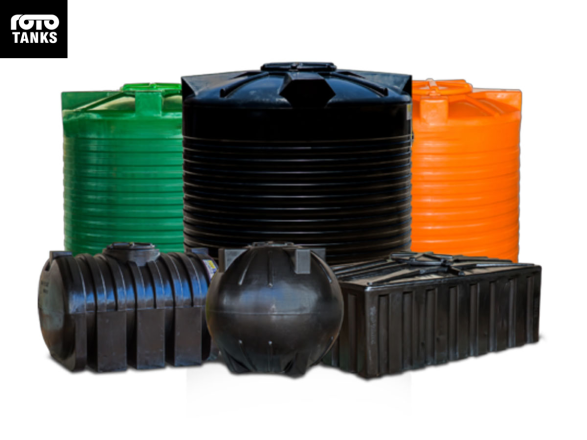
Above-Ground Tanks
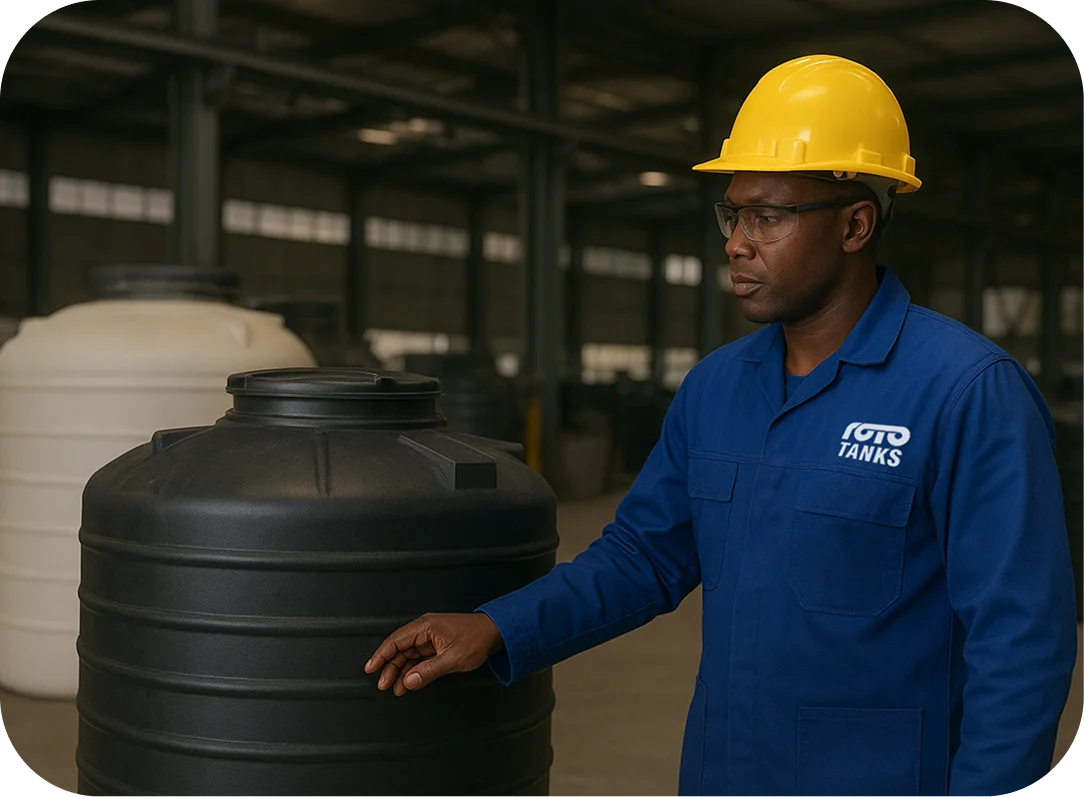
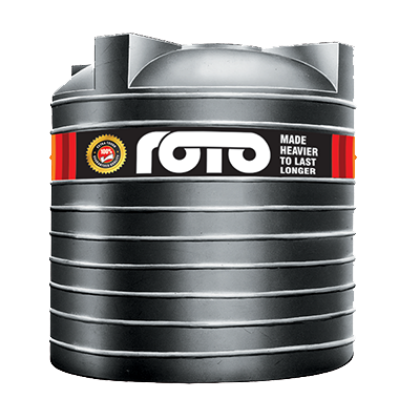
When it comes to being the simplest to keep and easiest to get to, above-ground tanks are leading the way. Plastic cylindrical tanks, being lightweight, non-corrosive and readily available all over Kenya, are among the most favorite options.
Subterranean Tanks
Subsurface water tanks are an excellent solution for saving space and keeping the area tidy. On top of that, their temperature stability underground helps them by inhibiting algae growth, thereby keeping the water fresher for a longer time.
Multipurpose and Septic
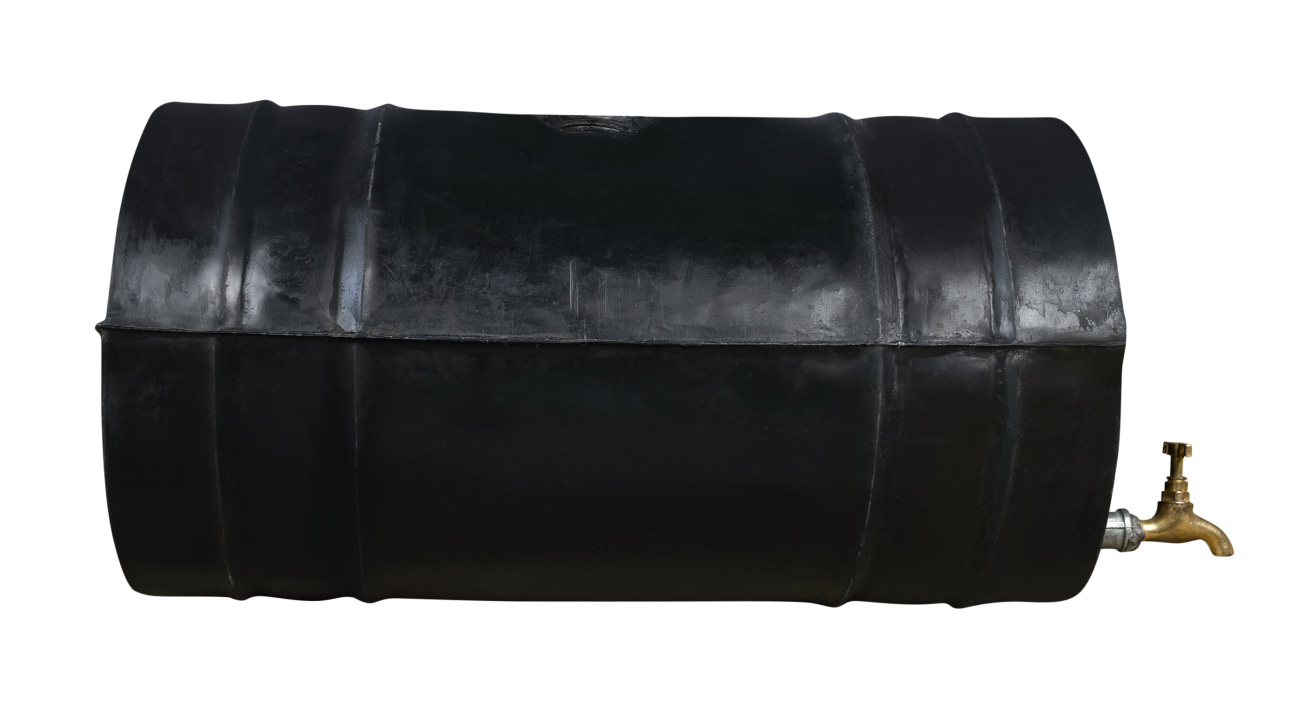
Tanks Horizontal Septic Tank Price Kenya options are low-cost and efficient ways of wastewater management and water storage. As the tank is laid on its side, a horizontal septic tank can be easily installed in locations where there is very little vertical space, e.g. under driveways or in small outdoor areas.
Key Factors to Consider When Choosing a Tank Size
The optimal tank size is influenced by a number of other parameters in addition to daily usage and well yield:
Future Growth and Household Size
A growing family will require more water. If there’s a possibility of expanding the property’s population or animals in the upcoming years, it’s usually a good idea to make some advance plans.
Variations in Seasonal Demand
During dry seasons, water consumption can rise dramatically in Kenya and throughout East Africa. When choosing tank capacity, homeowners who depend on a low yield well should take seasonal variations into account.
Space Available
Tank size possibilities will naturally be limited by the quantity of land or area surrounding the property. Plastic Cylindrical Water Tanks for Sale Horizontal tanks could be appropriate for bigger, lower-profile installations, but For Sale comes in sleek, vertical versions that are ideal for confined locations.
Requirements for Water Quality
A larger tank gives treatment procedures, such as UV filtering or chlorination, more time to function properly before the water reaches the faucet if the well water needs to be treated before use.
(FAQs)
Q1. What size of water storage tank would be suitable for a family of four using a low yield well?
A water tank the size of about 1,000 to 1,500 gallons should be a good option for a family of four usually according to expert advice. It means that, even if the well is yielding slowly, there will be a sufficiently large reserve to meet daily requirements
Q2. Where in Kenya can one get the cheapest underground water tank?
The surest way to dig out cheap Underground Water Tank Price in Kenya is by a direct approach to tank suppliers and manufacturers in Kenya who are reputable. Besides, you can be guaranteed you are getting a good deal if you compare prices from different vendors.
Q3. Is it possible to keep plastic cylindrical water tanks for sale outside under boiling weather?
Of course, the majority of plastic cylindrical water tanks for sale in the market are made of UV-stabilized polyethylene, making them very resistant to sun damage and thus perfectly suitable for outdoor use even in hot places such as Kenya.
Q4. How often does a water storage tank need to be cleaned?
To prevent bacterial contamination, algae growth and sediment buildup, the general recommendation is to clean and inspect a water storage tank at least once every six to twelve months.
Q5. What is the average lifespan of a plastic water storage tank?
Usually, a good quality plastic water storage tank, with proper maintenance and shielding from strong UV rays, can last for 15 to 25 years which makes it a very cost effective long-term investment.
Conclusion
In case of a poor yield well, a water storage tank of the right size becomes one of the best investments a property owner can make without a doubt. Even if a well produces at a very slow rate, by planning ahead, estimating daily demand, and selecting the right type of tank, households can enjoy a steady and reliable water supply throughout the year.