Water supply in Kenya is not something you can leave to chance.
Whether you are running a household in Nairobi, managing a school in Kisumu, or overseeing a site in Mombasa, a reliable water tank is not a luxury. It is the difference between a functioning operation and a daily crisis. It is the difference between a functioning operation and a daily crisis.
But not all tanks are built the same. The choices go further than most people realise when they first start shopping.
What Makes a Good Water Tank?
The short answer: materials and process.
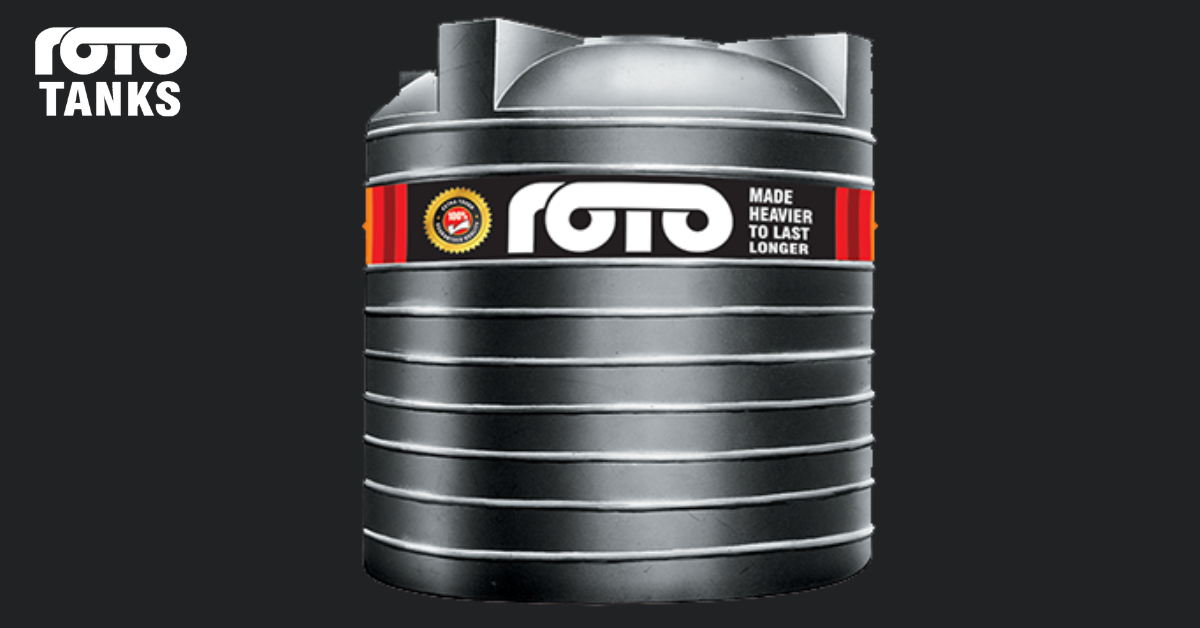
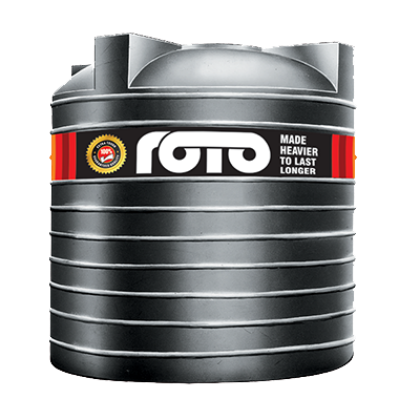
Most quality tanks on the Kenyan market are made through rotational moulding. Polyethylene plastic is heated and rotated inside a mould until it forms one seamless, hollow shape. No joints. No seams leak.
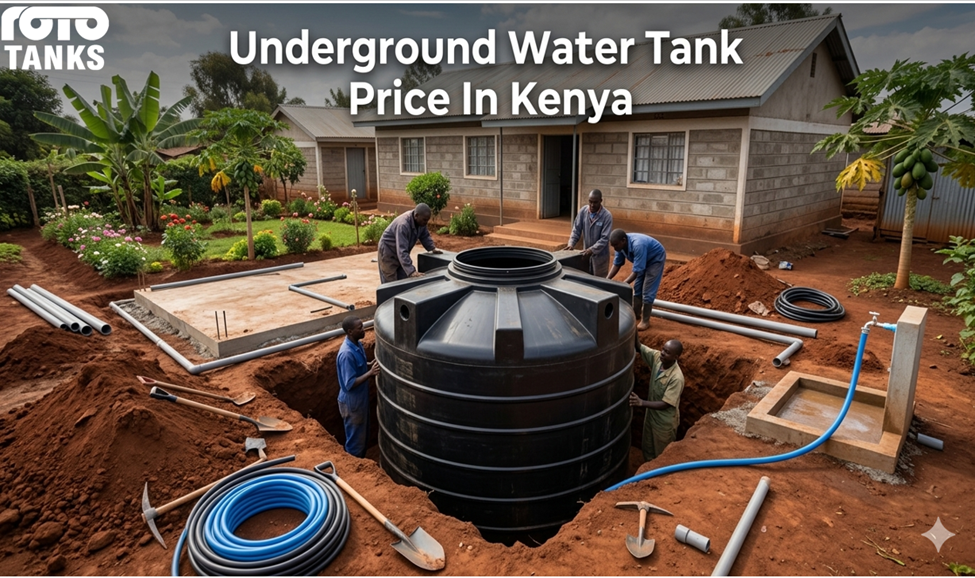
A rotationally moulded water tank holds its structure whether it sits in direct sun on a rooftop or is half-buried in soil.
Tanks made from food-grade polyethylene keep stored water clean and free from contamination. The material is UV-stabilised too — prolonged sun exposure does not degrade it. For a country where most overhead tanks spend their entire lives in full sunlight, that is not a minor detail.
How Much Does a Horizontal Septic Tank Cost in Kenya?
The honest answer is that the horizontal septic tank price in Kenya varies depending on capacity and manufacturer.
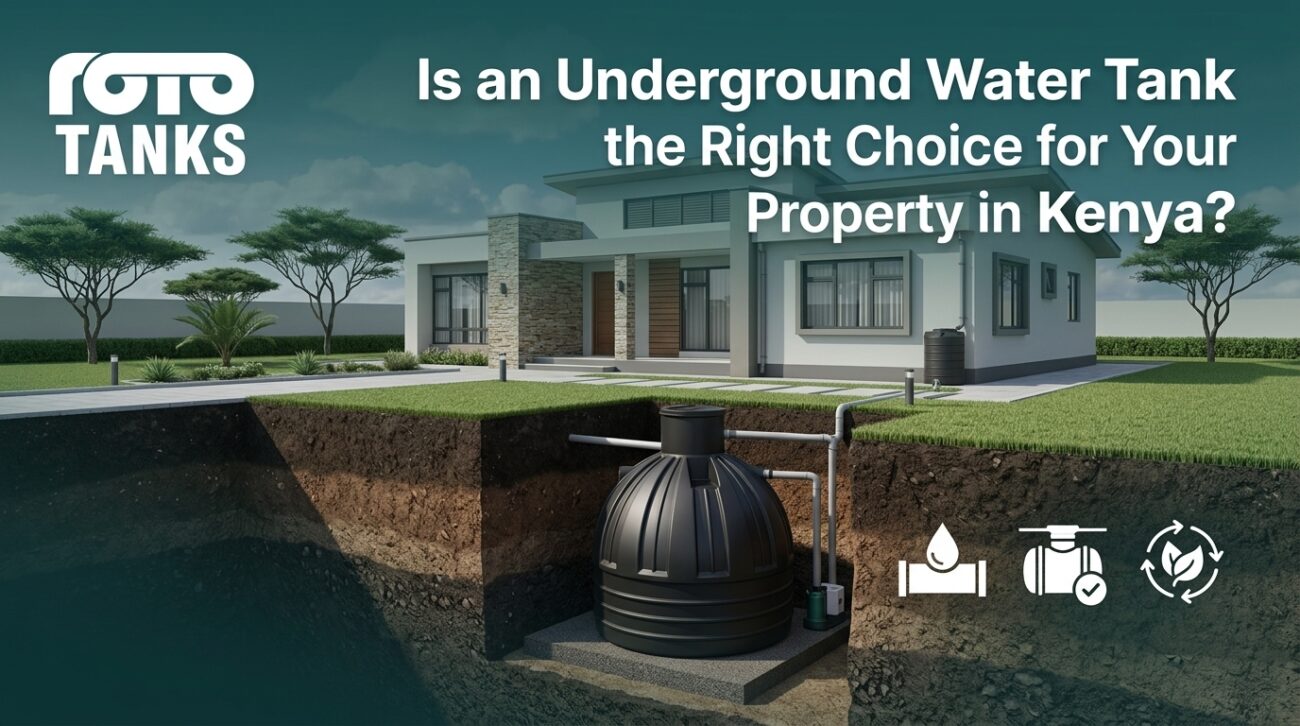
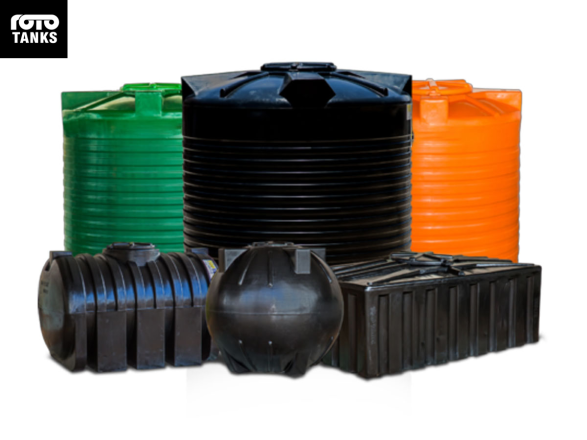
A standard horizontal septic tank suits households and small commercial properties where underground installation space is limited. Horizontal designs sit low — easier to bury without deep excavation. Useful in urban plots where digging deep is not always practical.
Prices shift with size. What you want to confirm before buying:
- Wall thickness
- Quality of inlet and outlet fittings
- Whether the manufacturer offers a warranty
Cheap septic tanks have a habit of becoming expensive problems within a few years.
The Top Quality Roto Ball Roller 90 Litres — What Is It?
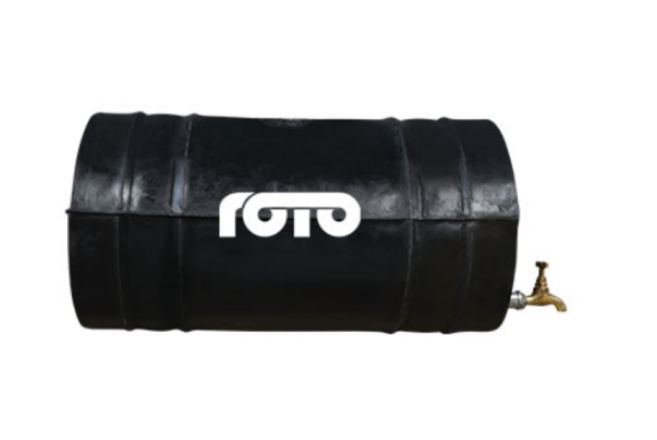
The top-quality roto ball roller 90 litres is a smaller rotational moulding product used for compacting soil, levelling ground, or preparing surfaces for turf or paving.
The drum is filled with water or sand to add weight, then rolled across the area you want to flatten.
It is built with the same seamless process as larger tanks — no cracks under stress, no degradation from sitting outdoors. For landscaping or sports pitch maintenance, it does the job without fuss.
Before buying, check that it comes with a properly fitted cap and a stable rolling axle. A roller that wobbles under load is more trouble than it is worth.
Waste Bins — Often Overlooked, Always Needed
A surprising number of organisations put serious thought into their water storage and almost none into waste management.
The result is makeshift arrangements that create hygiene problems and, in commercial settings, compliance headaches.
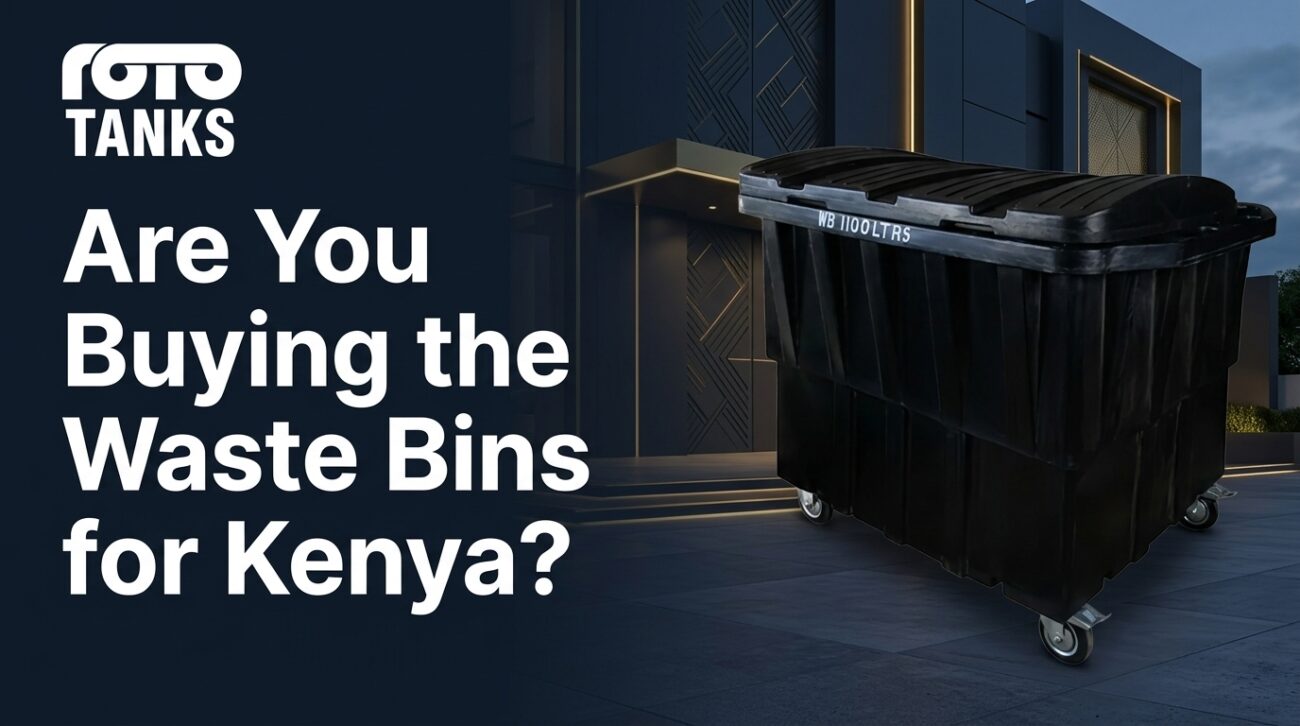
Rotationally moulded waste bins are worth considering for the same reasons as quality tanks. They do not corrode. They do not absorb odours the way cheaper bins can. And in the Kenyan climate, where bins often sit in direct sun all day, UV resistance adds real longevity.
Whether you need bins for a school compound, hospital, hospitality business, or municipality, choose products built for high-use environments.
Road Safety Equipment — Why the Supplier Matters
Road safety equipment in Kenya takes serious punishment.
Traffic cones, road barriers, and bollards are deployed on dusty dry-season highways and waterlogged wet-season roads. They get hit by vehicles. They sit in the sun for weeks.
When you are comparing road safety equipment suppliers, ask whether products meet relevant safety standards and whether the materials hold up in actual field conditions.
Brightly coloured polyethylene holds its colour better than painted alternatives, which fade and chip over time — reducing visibility exactly when it matters most.
Poor-quality road safety equipment does not just look bad. It puts people at risk.
What to Ask Before You Buy Any Roto-Moulded Product
Whether you are buying a water tank, a septic tank, waste bins, or road safety equipment, ask these questions:
What is the wall thickness? Thicker walls mean longer life.
What grade of polyethylene was used? Food-grade matters for anything in contact with drinking water.
Is the product UV-stabilised? In Kenya’s climate, this is non-negotiable.
Does the manufacturer offer a warranty? Any manufacturer confident in their product stands behind it.
The Bottom Line
A water tank is one of those purchases where cutting costs tends to cost more in the long run.
A failed tank means lost water, potential structural damage, and the hassle of replacement. The same logic applies to septic tanks, waste bins, and road safety equipment. The upfront saving on a cheap product rarely survives contact with real conditions.
Source your products from a manufacturer who actually knows the rotational moulding process and backs it up.
FAQ
What is the best water tank size for a household in Kenya?
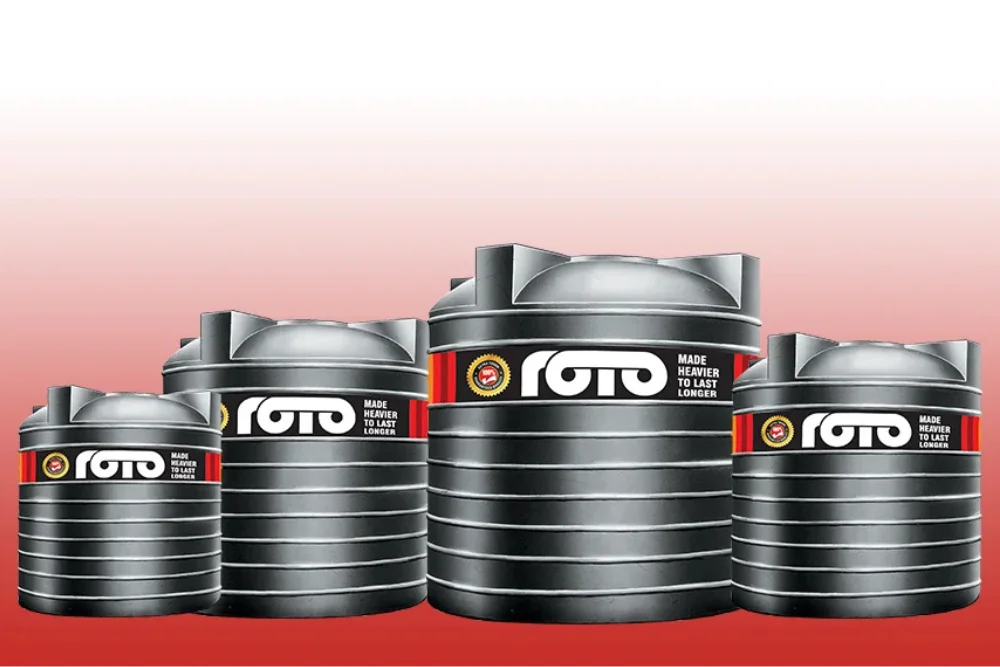
Most households with 4–6 people manage well with a 2,000–5,000 litre tank. If your water supply is unreliable, going larger makes sense. A rotationally moulded tank at this capacity sits comfortably on a standard rooftop stand.
How long does a rotationally moulded water tank last?
A quality tank made from UV-stabilised, food-grade polyethylene typically lasts 20–25 years under normal conditions. Tanks without UV stabilisation degrade faster in direct sunlight.
What is the difference between a horizontal and vertical septic tank?
Horizontal tanks are wider than they are tall, making them easier to install where you cannot dig very deep. Vertical tanks need more depth but take up less surface area. The right choice depends on your site.
Are rotationally moulded waste bins better than metal ones?
For outdoor use in hot climates, yes. They do not rust, they are lighter to handle, easier to clean, and the colour does not fade the way painted metal does.
What should I check when buying from road safety equipment suppliers?
Confirm the products meet Kenya Bureau of Standards (KEBS) specifications. Ask for compliance documentation before purchasing, especially for equipment deployed on public roads.