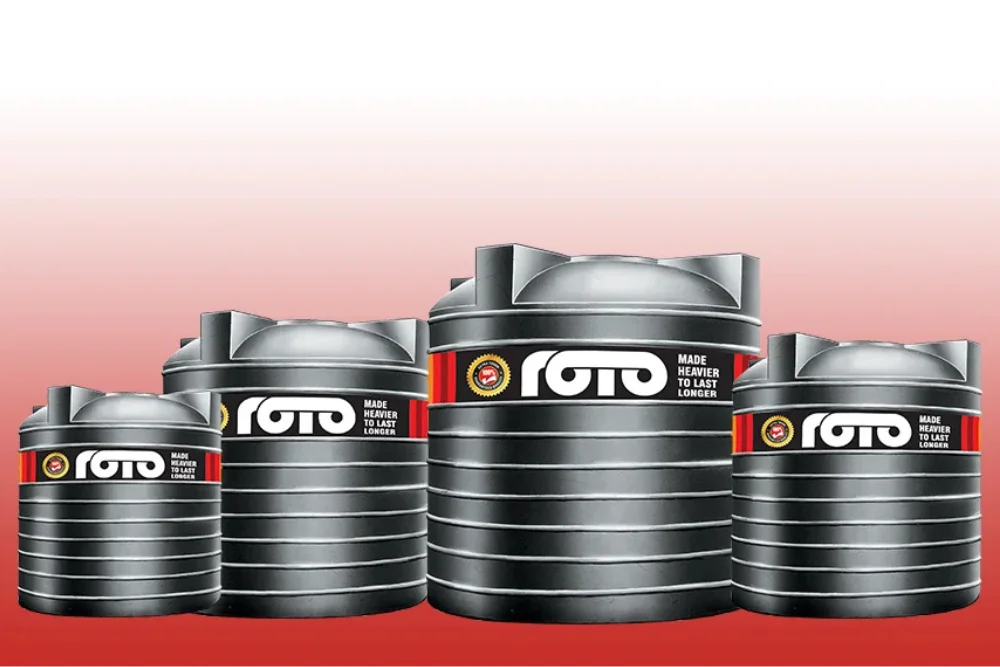
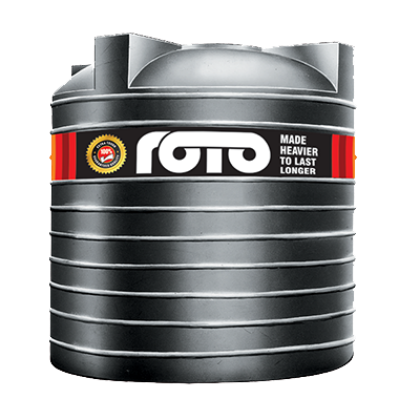
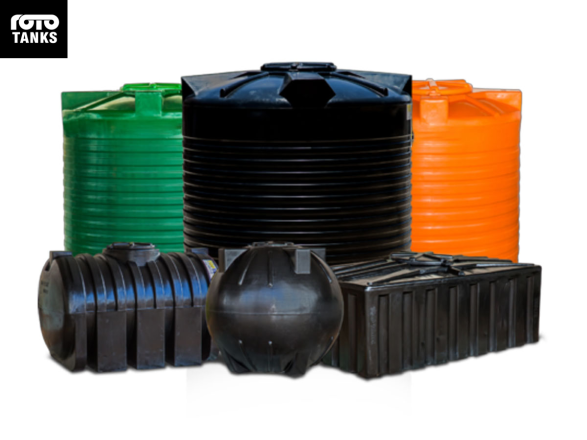
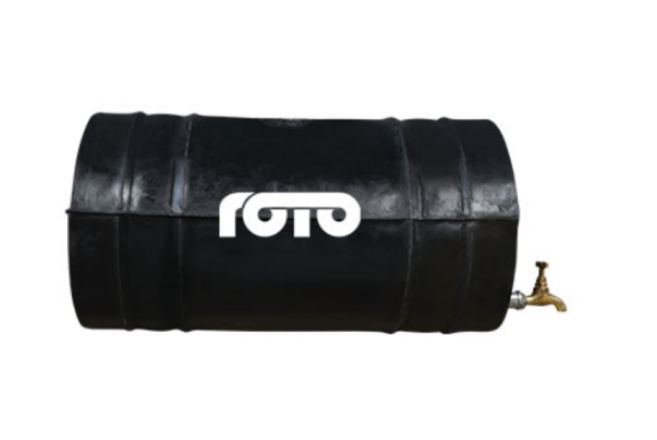
In most of Africa, water scarcity is a daily reality for many farmers. It affects how they plant, harvest and even whether or not their livestock will survive the dry seasons. Water storage is no longer a luxury but a necessity for agricultural communities in Kenya and across the continent. Durable plastic tanks are transforming the way rural farms and commercial farms use their precious water resources.
Modern water storage systems are part of a larger shift in African agriculture. While rooted in centuries of experience, traditional methods often fail to keep up with the changing climate and growing food production demands. Farmers who once relied only on natural water resources now turn to engineered solutions that offer consistency, durability, and adaptability.
Why Plastic Tanks Work in African Agriculture
The challenges of agriculture in Africa are very different from the ones faced by temperate zones. Equipment is subjected to unique challenges due to high temperatures, UV radiation, rainfall patterns and limitations in infrastructure. These conditions require water storage systems to be reliable.
Durable plastic tanks address many of these issues in ways that other materials, such as concrete and metal, cannot. Plastic is not susceptible to corrosion, which can be a huge advantage in areas with limited maintenance resources. Plastic remains structurally stable even when temperatures fluctuate, which would cause other materials to be stressed. Plastic tanks that are properly manufactured resist UV degradation, preventing the brittleness caused by sunlight in inferior products. Another advantage is the material’s flexibility. Plastic tanks are more resilient than rigid materials, which can crack when under stress.
Practical Applications Across Different Farm Operations
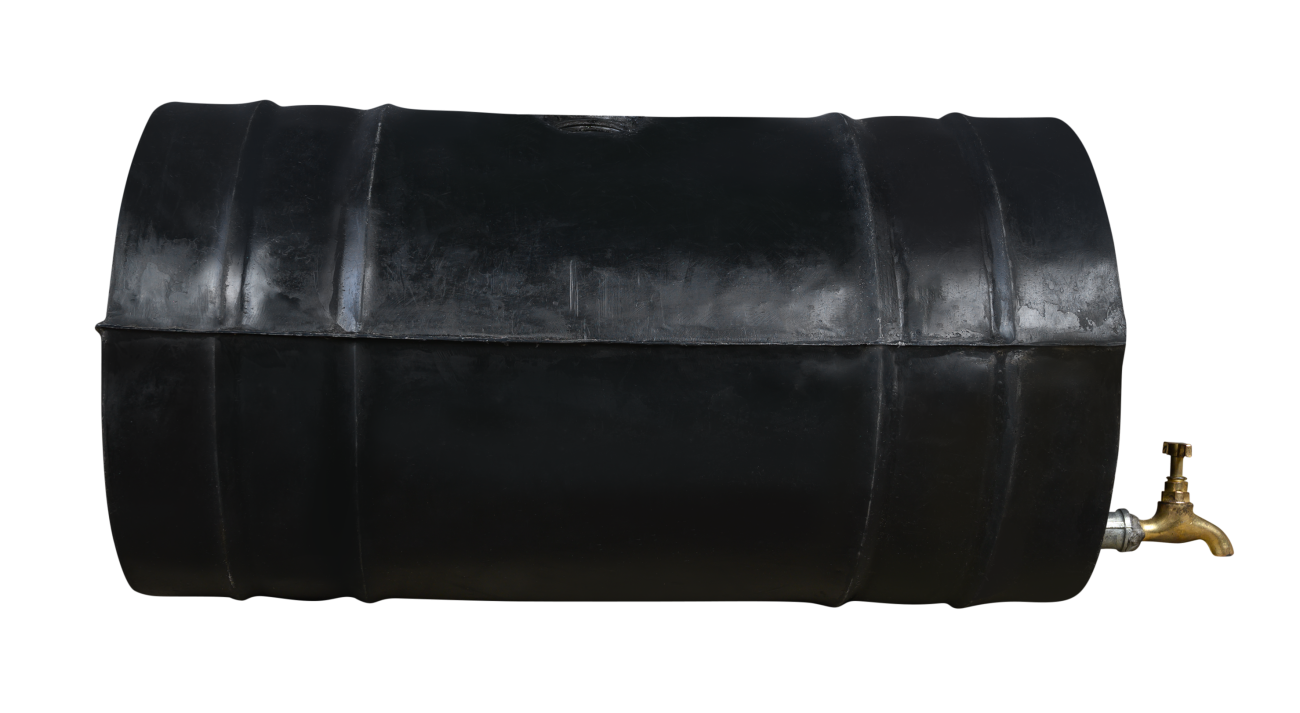
Modern plastic storage containers serve multiple functions across different farming operations. They are used as standard farm infrastructure in Kenya and other neighbouring countries because of their versatility. Irrigation is still the most common application. Farmers collect rainwater in tanks and then use drip irrigation or sprinklers to distribute water during dry periods.
Some farms have multiple tanks integrated into their systems. The use of a series of connected tanks can create reserve capacity and provide redundancy in the event that one unit requires maintenance. This setup also allows staged treatment. The modular design is suitable for any operation, whether it is a small farm or a large estate.
Commercial Water Storage for Large-Scale Operations
Kenya’s commercial agriculture industry has embraced water storage systems with large capacities. The Rift Valley flower farms, the tea plantations of the Highlands and the vegetable exporters from Central Kenya all depend on large water reserves in order to meet production deadlines. In these environments, commercial water storage tanks can range anywhere from 10,000 litres to more than 50,000 litres.
These irrigation systems are capable of covering large areas, ensuring crops meet international standards. The storage of large volumes of water during rainy seasons provides security for operations during periods when borehole or municipal supplies are not reliable.
At this scale, quality is a major factor. Tank failures can disrupt irrigation plans or crop cycles, and this is not acceptable for commercial operations. Commercial farming needs tanks that are manufactured according to the correct standards. Although inferior products might initially be cheaper, they are rarely worth the price once replacement costs and disruptions to operations have been factored into their cost.
Commercial operations also benefit from flexibility in installation. The tanks can be placed to reduce pumping costs by working with gravity fed systems. Networking multiple tanks allows for distributed water storage on large properties. This brings the water to its actual use.
What Separates Quality Tanks from Cheap Alternatives
Plastic tanks are not all created equal. Manufacturing processes, material quality, and design details separate products that will last for decades from those that fail within a few years.
The rotational moulding process, which is used in the production of quality agricultural tanks, produces seamless constructions without joints or welding. It eliminates the common points of failure where inferior products develop leaks. This process ensures that the wall thickness is consistent throughout the tank. Thin spots can become stress points over time.
The composition of the material directly impacts longevity. The structural integrity of tanks made from virgin polyethylene and UV-stabilised materials remains intact for up to 15 years. The products made from recycled plastics or with inadequate UV protection will crack and become more brittle much faster, especially under the intense sun of Africa.
Tanks with well-engineered design features, such as reinforced bases, outlets of the right size, and lid systems that are secure, stand out from those without. The details of the tank affect its ease of cleaning, long-term durability, and efficiency. A tank that becomes difficult to maintain can create serious liabilities for livestock operations.
The length of a warranty period is often a sign that the manufacturer has confidence in their product. Recognised suppliers provide long warranties because they are confident in the performance of their tanks. Most cheaply made products come with a minimal warranty or none at all, indicating that the manufacturers expect a very short life span.
Quality Water Storage Solutions from Rotomoulders
Kenyan agriculture has increasingly realised that the water storage infrastructure is an investment, not a cost. This investment pays off in terms of increased crop yields, improved livestock health, greater operational flexibility and reduced climate vulnerability.
When farmers are evaluating storage options, they should consider quality before initial cost. Over the course of its life, a durable tank will cost less than replacing it with cheaper options. When you consider the cost of labour, downtime, and any crop loss that could result from tank failures, the economics are clear.
Rotomoulders’ reputation has been built in Kenya through the supply of plastic tanks that meet all requirements for African agriculture. Product ranges are available in sizes and configurations that suit a wide variety of agricultural uses, from household gardens to commercial farms. The tanks are made in Kenya, using rotational moulding technology. The durability of durable plastic tanks has been proven in thousands of installations, ranging from smallholder plots up to large commercial estates.
To explore the entire range of agricultural storage solutions or to request technical specs, visit www.rotomoulders.com. You can also arrange for a consultation regarding your storage needs.