Not every property has space for a rooftop tank.
On a compact urban plot in Nairobi, a tall cylindrical tank sitting on a raised stand can be impractical — structurally demanding, visually obtrusive, and vulnerable to knocks or vandalism.
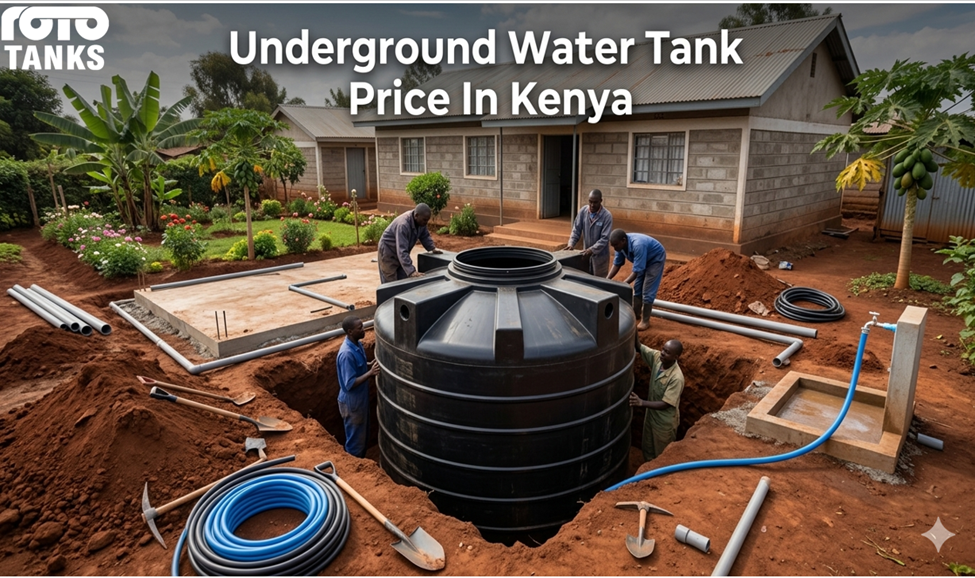
An underground installation solves most of those problems at once. But before you commit, it helps to understand what affects the underground water tank price in Kenya and whether the investment genuinely suits your situation.
What Affects Underground Water Tank Price in Kenya?
Several factors push the price up or down.
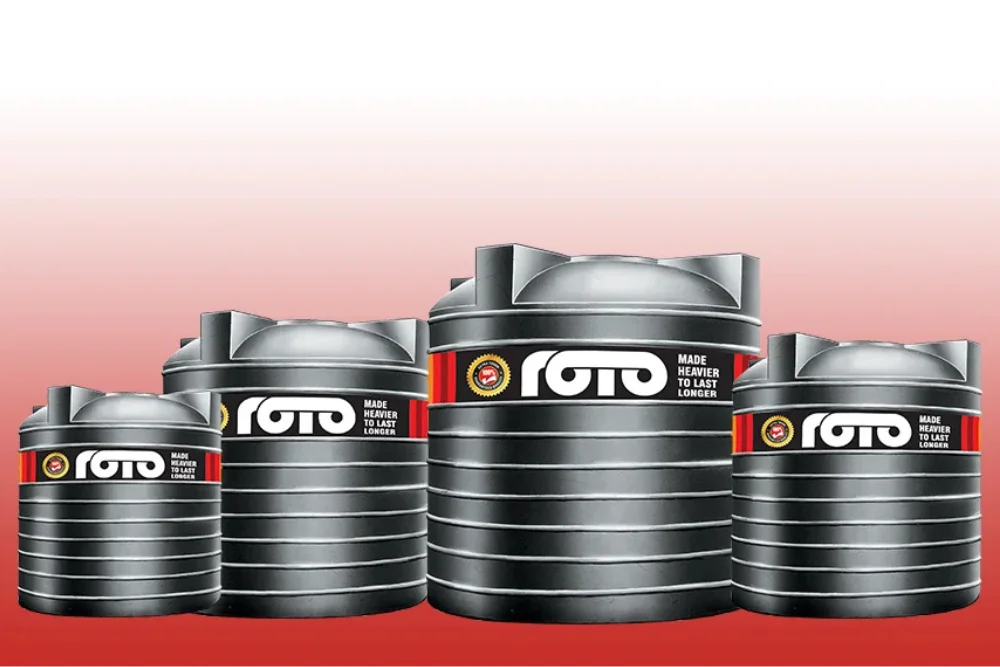
Capacity is the most obvious one. Underground tanks in Kenya typically range from 1,000 litres to 6,000 litres. A larger tank costs more upfront but reduces how often you need to refill or manage supply.
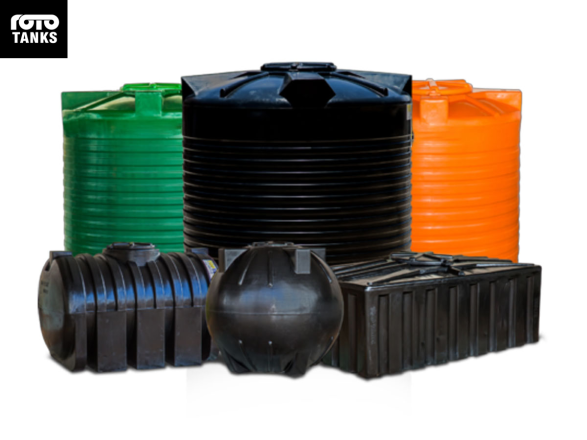
Shape and design matter too. Spherical underground tanks distribute pressure more evenly than rectangular ones, which makes them structurally better suited to burial under soil and vehicle load. That added engineering is reflected in the price.
Wall thickness and material grade are where many buyers get caught out. A thin-walled tank installed underground will eventually buckle under soil pressure — particularly in areas with heavy clay soil or significant surface traffic above it. Food-grade, UV-stabilised polyethylene is still relevant underground because it protects water quality from the inside.
Always confirm what is included — inlet and outlet fittings, a manhole cover, and delivery to site are sometimes priced separately.
Water Tanks in Kenya — Above Ground vs Underground
For most households, an above-ground tank is simpler and cheaper to install.
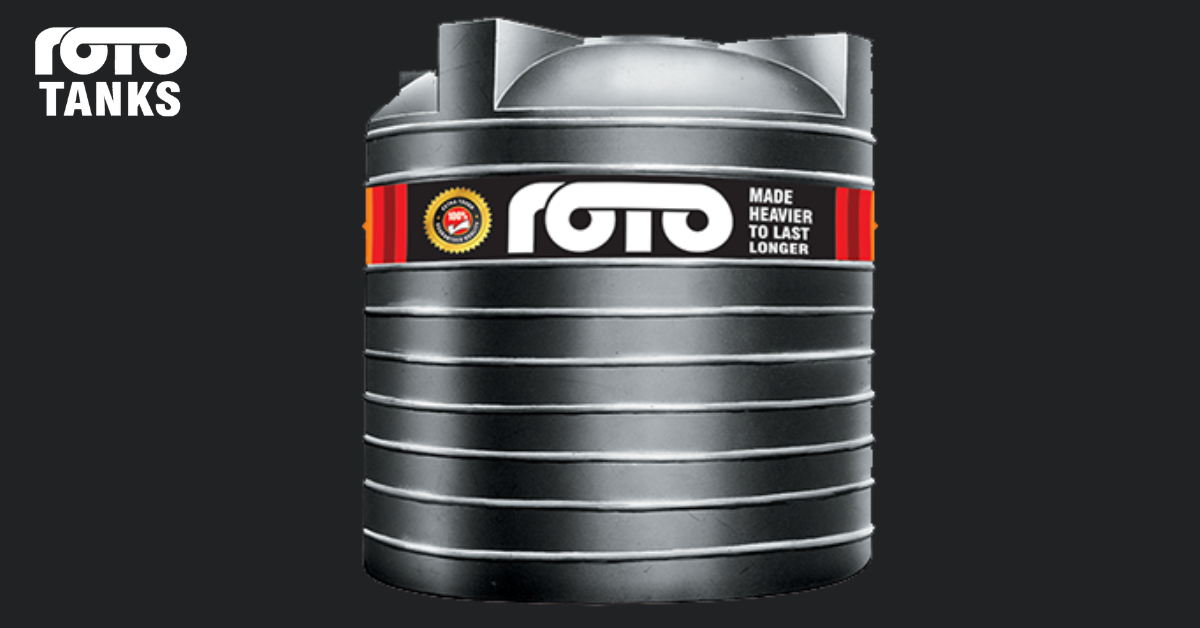
Water tanks in Kenya cover a wide range of applications — rooftop loft tanks, standard cylindrical tanks, transportable tanks for remote sites, and nestable tanks for storage and transport.
Underground tanks make more sense when:
● The property has limited vertical space or structural constraints
● The tank needs to be hidden for aesthetic or security reasons
● The installation is for a commercial or institutional site with high daily demand
● Surface temperatures are extreme and you want to reduce water heating
The installation cost of an underground tank is higher than above-ground — excavation, backfilling, and access fittings all add to the total. Factor that in when comparing prices.
Best Portable Toilet Price in Kenya — What You Are Actually Comparing
Portable toilets serve a specific, practical need.
Construction sites, outdoor events, remote worksites, schools without permanent sanitation infrastructure — all of them need a sanitation solution that can be deployed quickly and moved when the job is done.
The best portable toilet price in Kenya depends on whether you are buying for single use, repeated deployment, or long-term site installation. A basic unit for a short-term event costs considerably less than a heavy-duty model built for years of daily use on a construction site.
Key things to check before buying:
● Wall thickness and rigidity — a flimsy unit degrades fast in outdoor conditions
● Waste tank capacity and ease of emptying
● Ventilation design — this affects usability more than most buyers expect
● Whether the unit meets basic sanitation standards for the intended use
Rotationally moulded portable toilets hold up significantly better than cheaper fabricated alternatives. The seamless construction means no joints to crack and no seams to fail after a few months in the field.
Askari Hut Price in Kenya — A Product Many Buyers Underestimate
A security post seems like a simple purchase. It is not always.
An askari hut that is too small, poorly ventilated, or made from thin material is uncomfortable for long shifts and degrades quickly in Kenya’s climate. Security personnel spending hours in a poorly designed hut are less alert and less effective.
The askari hut price in Kenya varies by size, design, and material. Rotationally moulded polyethylene units are lightweight, weather-resistant, and easy to position without groundwork. Unlike timber or metal alternatives, they do not rot, rust, or require repainting.
For gated communities, commercial properties, schools, and industrial sites — a properly made askari hut is a practical, long-lasting investment. Buying cheap tends to mean replacing it within a couple of years.
Road Safety Equipment Suppliers — Why Quality Determines Outcomes
Road safety equipment works hard.
Traffic cones sit in direct sun for weeks. Water-filled barriers absorb vehicle impacts. Bollards get reversed into. The products that hold up under these conditions are not the ones made from thin, recycled plastic with faded, painted-on colour.
When evaluating road safety equipment suppliers, the questions to ask are straightforward:
● Are the products made from UV-stabilised polyethylene?
● Do they meet Kenya Bureau of Standards (KEBS) certification requirements?
● Is the colour moulded in, or painted on?
Moulded colour does not fade. Painted colour does — and faded road safety equipment defeats the entire purpose of installing it.
According to the Kenya Bureau of Standards, plastic products used in public infrastructure and safety applications must meet defined material and performance standards. A reputable supplier provides this documentation. If they cannot, that is worth knowing before you place an order.
Buying From a Manufacturer vs a Distributor
There is a meaningful difference between buying from a manufacturer and buying from a distributor who imports what they sell.
A local manufacturer using rotational moulding controls the process directly — material grade, wall thickness, finishing, and quality checks all happen in-house. Custom sizing is possible. Lead times are shorter. And if something is wrong, there is a clear point of accountability.
A distributor of imported products has none of that control. What you see in the catalogue is what you get, at whatever quality the overseas factory decided to ship.
For long-term assets like underground tanks, portable toilets, askari huts, and road safety equipment — buying from the manufacturer is almost always the better call.
The Bottom Line
Underground water tanks are a smart investment for the right property.
So are well-made portable toilets, properly designed askari huts, and road safety equipment that actually holds up in the field.
In every case, the price you pay upfront is less important than what you get for that price. Products built from quality materials, manufactured to proper standards, and backed by a local manufacturer consistently outlast the cheap alternative — often by years.
If you are buying any of these products in Kenya, start with a supplier who manufactures locally and stands behind what they make.
FAQ
What is the best underground water tank size for a residential property in Kenya?
For most households, a 2,000–5,000 litre underground tank covers daily demand with a buffer for supply interruptions. Larger plots or properties with multiple units should look at up to 6,000 litres to avoid frequent top-ups.
How deep does an underground water tank need to be buried in Kenya?
Most underground tanks are installed with the top sitting just below ground level, giving access via a manhole cover. The exact depth depends on tank design and site conditions — your supplier or installer should confirm based on the specific product.
What makes a portable toilet worth buying vs hiring in Kenya?
If you need sanitation on-site for more than a few weeks, buying is usually cheaper than long-term hire. A quality rotationally moulded unit will last years with basic maintenance, making the per-use cost far lower than ongoing rental.
Are rotationally moulded askari huts better than metal ones?
For most sites, yes. Polyethylene units do not rust, require no repainting, and stay cooler than metal in direct sun. They are also lighter and easier to reposition without equipment.
What certifications should road safety equipment suppliers provide in Kenya?
Look for KEBS certification as a minimum. For equipment deployed on public roads or highways, ask whether the products align with Kenya National Highways Authority (KeNHA) specifications. Always get documentation in writing.