Water storage is not a luxury in Kenya; it is a necessity. If you live in Nairobi as I do, you already know how often the supply gets interrupted. One week it’s maintenance. Next week it’s rationing. And during the dry months? You are completely dependent on what’s in your tank. That’s why I started paying attention to one serious question: How do you know when your water tank needs to be replaced?
Most of us don’t think about the tank until something goes wrong. We assume it’s fine because it’s just sitting there quietly outside. But heat, pressure, and time are always working on it. And when it finally gives up, it doesn’t give much warning.
Cracks, Leaks, and Surface Splits
The first sign I noticed at my neighbour’s place was a small crack near the bottom. It looked harmless. Just a thin line.
Three months later, he was dealing with a steady drip that turned into a small stream every time the tank filled.
In Nairobi’s strong sun, plastic weakens slowly. You may see small hairline cracks and ignore them. Don’t. They grow. And once leaks start forming around the base, patching becomes a temporary solution at best.
If you’re fixing the same spot again and again, the tank is telling you something.
Water is not optional. It is essential.
Bulging or Warping Walls
Have you ever looked at your tank from a distance and felt like the sides look slightly swollen? Not perfectly round anymore?
A properly made tank should hold its shape when full. If the walls start bulging outward, that’s pressure pushing against weakened material.
It can happen because of:
- Ageing plastic
- Overfilling
- Poorly prepared installation surface
- Lower-quality manufacturing
A warped tank can burst without warning. And when thousands of litres spill at once, it’s not just water you lose, its landscaping, walls, sometimes even fencing.
Discoloured or Contaminated Water
One morning, I turned on the tap and noticed the water wasn’t as clear as usual. Slight cloudiness. Nothing dramatic, but enough to raise concern.
Stored water should stay clear and fresh-smelling. If it starts looking dull, growing algae, or smelling slightly off, the inside surface of the tank could be deteriorating.
In coastal and eastern Kenya, the UV exposure is even harsher. Older tanks without proper UV stabilisation break down faster. Once the lining starts wearing out, no amount of cleaning fully solves it.
At that point, it becomes a health decision.
Age of the Tank
Most good plastic tanks last between 10 and 20 years. That sounds long. But think about it, if your tank was installed when you first built the house, how many years has it actually been?
Sun exposure in hot countries shortens lifespan. Even if you don’t see cracks, the material becomes brittle over time. You might tap the side and hear a slightly different sound, harder, less flexible.
Old tanks fail suddenly. They don’t always give dramatic warnings.
If yours is over ten years old, inspect it properly.
Frequent Repairs Are Becoming Costly
Be honest, have you bought sealant more than once this year?
Small repairs feel cheap at first. A little patch here. A plumber visits there. But it adds up.
When you start calculating Water Tanks Price in Kenya, you realise something important. Sometimes replacing the tank once is cheaper than repairing it five times.
A stronger tank means fewer repairs. Fewer repairs mean peace of mind.
Increased Household or Business Demand
Families grow. We add washing machines. We extend houses. Some of us start small farming projects.
Suddenly, the tank that used to last comfortably for days empties much faster.
That’s when the question becomes serious: How do you know when your water tank needs to be replaced? Sometimes it’s not because it’s damaged. Sometimes it’s just too small for your current lifestyle.
Many Nairobi homeowners upgrading bathrooms or irrigation systems realise their old tank simply cannot keep up.
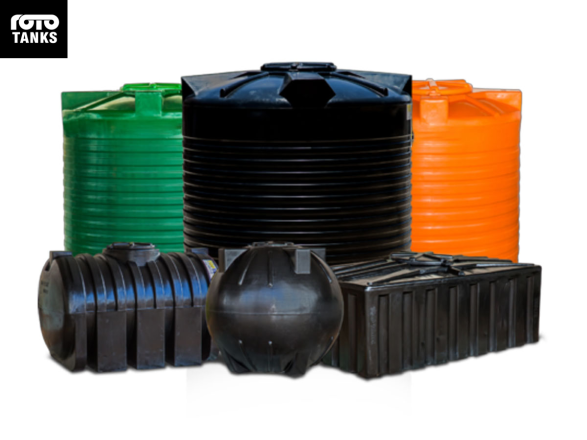
Looking at modern Water Tanks in Kenya gives you better size options suited to today’s needs.
Foundation or Stability Problems
I once saw a tank leaning slightly to one side after heavy rains softened the soil underneath. It didn’t look dramatic, just a small tilt.
But over time, uneven support creates stress points. That’s when cracks begin forming near the base.
Watch out for:
- Tilting or leaning
- Cracks forming underneath
- Uneven settling
Fixing the base might help if you catch it early. But if the structure has already weakened, replacement is the safer move.
Understanding Water Tanks Price in Kenya Before Replacement
Price is always the first concern. I get it.
But not all tanks are built the same. When comparing Water Tanks Price in Kenya, don’t just look at the number.
Check:
- Wall thickness
- UV protection
- Multi-layer construction
- Warranty
- Brand reputation
Cheap tanks may look like a good deal. In Kenya’s harsh sun and heavy rains, they often fail sooner.
Comparing Roto Tanks Prices in Kenya
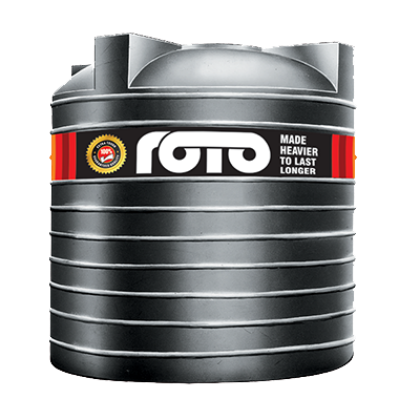
When you review Roto Tanks Prices in Kenya, you’re not just comparing cost, you’re comparing durability and reliability.
Established manufacturers invest in better raw materials and proper moulding technology. That matters when the tank is exposed to direct sunlight year after year.
A good tank withstands intense heat, strong rainfall, and daily pressure changes without losing shape. That reliability is worth paying for.
Modern Water Storage Tanks Kenya: Why Upgrade?
Manufacturing has improved over the years. Modern Water Storage Tanks Kenya options now offer:
- Enhanced UV stabilisation
- Stronger wall reinforcement
- Better hygiene standards
- Greater resistance to cracking
If your tank was installed many years ago, it may not meet current durability standards. Technology has moved forward.
Repair or Replace? Making the Practical Decision
Ask yourself:
- How old is the tank?
- Are cracks spreading?
- How often am I repairing it?
- Has my water demand increased?
- Is there any safety risk?
If you tick several of these boxes, replacement is usually the smarter long-term decision.
Conclusion
Ignoring early signs can lead to sudden water loss and expensive property damage. Cracks, leaks, discolouration, ageing plastic, and growing demand are not small issues.
If you’re still wondering, How do you know when your water tank needs to be replaced? the answer is simple: look closely and be honest about what you see. When the structure weakens, or water quality drops, replacing the tank isn’t just spending money, it’s protecting your home.
Reliable water storage keeps households, farms, and businesses running smoothly across Kenya. Choosing a durable tank built for our climate means you won’t have to worry every time the supply gets interrupted.